Innovative Teaching Methods for UK Classrooms
Innovative teaching methods are changing how pupils in the UK learn, making classrooms more engaging, inclusive, and effective. While the National Curriculum and exam requirements still shape what is taught, teachers increasingly experiment with how learning happens. The following approaches are among the most impactful and practical for UK primary and secondary settings.
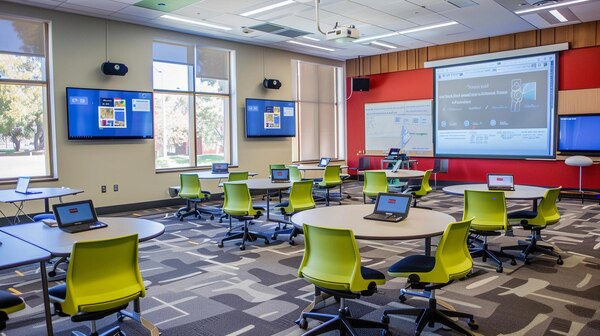
One of the most widely explored methods is flipped learning. Instead of introducing new material during class and setting practice for homework, pupils first encounter core content at home through short videos, readings, or interactive presentations. Class time is then used for problem-solving, discussion, and small‑group tasks. This shift allows teachers to give more targeted support, particularly to those who struggle, and encourages pupils to arrive in lessons better prepared. In the UK context, this can be as simple as using short teacher‑made videos on platforms like Loom or Edpuzzle and combining them with low-stakes quizzes in Google Classroom or Microsoft Teams.
Project-based learning (PBL) is another powerful approach that aligns well with Ofsted’s focus on developing “cultural capital” and deeper understanding. In PBL, pupils work on extended, cross‑curricular projects that culminate in a product, presentation, or performance. For example, pupils might design a sustainable school garden integrating science, geography, and maths, or create a local history exhibition that brings together English, history, and art. High-quality PBL involves clear success criteria, structured milestones, and opportunities for reflection, so that projects build not only creativity but also subject knowledge and core skills.
Inquiry-based learning goes a step further by placing pupils’ questions at the centre. Instead of beginning with a teacher explanation, lessons start from a problem, mystery, or challenging scenario. In a science class, this might mean presenting an unexplained phenomenon and asking pupils to design investigations to test their ideas. In humanities, pupils could examine primary sources and construct their own interpretations before learning the “official” account. Inquiry-based approaches help build critical thinking, resilience, and independence, but they work best when combined with explicit teaching of research and reasoning skills.
Technology-enhanced learning has become central to innovation, especially after the acceleration of digital skills during the COVID-19 period. UK classrooms now routinely use platforms such as Google Workspace, Microsoft 365, and a wide range of subject-specific apps. Interactive quizzes (for example, using Quizizz or Socrative) provide immediate feedback and support retrieval practice. Virtual and augmented reality can bring abstract concepts and distant places to life, especially in science, geography, and history. Assistive technologies support pupils with SEND through text‑to‑speech, speech‑to‑text, and adaptive tools. The key is purposeful use: technology should enhance explanation, practice, collaboration, or accessibility rather than simply being an add‑on.
Another valuable innovation is the structured use of collaborative learning. Working in pairs and small groups is not new, but research‑informed strategies—such as jigsaw activities, think‑pair‑share, and structured debate—make group work more equitable and productive. Clear roles, time limits, and accountability measures help ensure that all pupils participate and learn. Collaborative methods support the development of communication and social skills that are emphasised in PSHE and wider personal development frameworks.
Game-based learning and gamification are also gaining ground in UK classrooms. Instead of passively absorbing content, pupils engage through challenges, levels, and rewards. This may involve full educational games, such as simulations in economics or history, or smaller gamified elements like progress trackers, digital badges, and class leaderboards. When well designed, game-based activities can build motivation and persistence, particularly for pupils who feel less confident in traditional settings. They work especially well combined with mastery approaches, where pupils progress at their own pace once they demonstrate secure understanding.
Formative assessment and feedback have become more innovative as well. Techniques like retrieval practice, low‑stakes quizzing, exit tickets, and mini whiteboards allow teachers to check understanding in real time and adapt instruction quickly. Peer and self‑assessment, guided by clear rubrics, help pupils take ownership of their progress and understand what quality work looks like. Digital tools extend these practices, enabling quick analysis of common misconceptions and more efficient, targeted feedback.
An area of growing emphasis is social and emotional learning (SEL). Many UK schools are integrating SEL into everyday teaching, rather than treating it only as a pastoral concern or a separate PSHE topic. Strategies such as regular check‑ins, reflective journals, and explicit teaching of emotional vocabulary help create supportive environments. Building routines for group reflection, conflict resolution, and perspective‑taking supports not only wellbeing but also readiness to learn. This aligns with whole‑school approaches to behaviour and safeguarding, as well as Ofsted’s focus on personal development.
Culturally responsive and inclusive pedagogy is increasingly seen as essential innovation rather than an optional extra. Teachers are diversifying the texts, case studies, and examples they use so that pupils from different backgrounds see themselves and others represented in the curriculum. They adapt materials and approaches to meet the needs of EAL learners, pupils with SEND, and those from a wide range of cultural and socioeconomic contexts. This might mean using dual‑language resources, drawing on pupils’ home experiences as assets, or explicitly teaching background knowledge that some pupils may not otherwise have access to. Inclusive methods contribute to higher engagement and equity in outcomes.
Finally, many UK teachers are combining these innovations within a broader, evidence‑informed framework. Approaches such as retrieval practice, spaced learning, dual coding, and explicit instruction—drawn from cognitive science and summarised in reports from organisations like the Education Endowment Foundation—are being blended with more creative methods. Innovative practice is moving away from one‑off “gimmicks” and towards coherent, research‑aligned design of curricula, lessons, and assessments. Professional learning communities, coaching, and lesson study models are helping staff share and refine these practices collaboratively.
Together, these innovative methods are reshaping UK classrooms into more dynamic, responsive, and inclusive learning environments. While constraints such as exam pressures, workload, and limited resources remain, thoughtful adoption of new approaches—grounded in research and adapted to local contexts—offers a powerful route to improving both attainment and wellbeing for pupils across the country.